Current research projects
My research examines how humans respond to high-intensity and altered states, and why similar experiences can lead to markedly different outcomes, from adaptation and transformation to dysregulation. Across pharmacological and non-pharmacological contexts, I combine physiological biomarkers, subjective experience, and longitudinal outcomes to investigate how the body and nervous system shape these trajectories.
Research Programme I) Pharmacologically Induced Altered States: 5-MeO-DMT
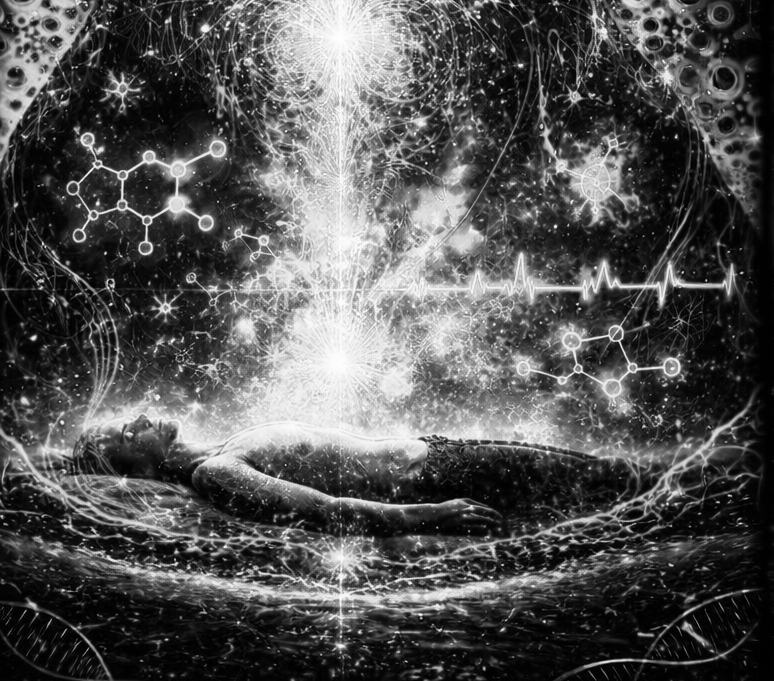
Why do some 5-MeO-DMT experiences catalyse lasting positive change, while others lead to difficult or destabilising outcomes? This programme investigates how individual differences, baseline physiology, acute biological responses, subjective experience, and post-experience processes interact to shape longer-term trajectories. Central to this work are the co-developed concepts of Bodyset and Pivotal Physical States, which examine the role of bodily and physiological states in psychedelic experience and periods of heightened sensitivity to change. Using multimodal biomarkers, psychometrics, and longitudinal follow-up, the research aims to better understand variability in psychedelic response, safety, and longer-term outcomes.
Research Programme II) Non-Pharmacologically Induced Altered States
Research Programme III) Theoretical Models of Embodied Transformation
Transformative experiences do not occur independently of the body. This programme develops theoretical models for understanding how physiological states shape altered experiences and longer-term processes of change. Central to this work are the co-developed concepts of Bodyset and Pivotal Physical States, which examine the role of bodily and physiological states in psychedelic experience and periods of heightened sensitivity to change. The broader programme explores how physiological, psychological, and contextual processes interact to shape trajectories of adaptation, transformation, or dysregulation.
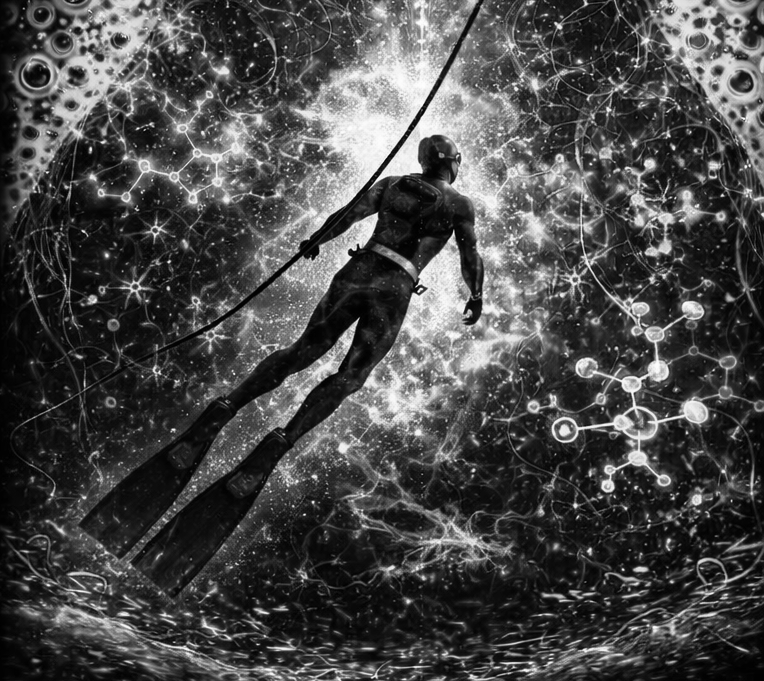
Altered states of consciousness can emerge through profound shifts in physiology and environment, without the use of pharmacological agents. This programme investigates such states across breathwork, freediving, and extended darkness retreats, exploring how different routes into altered consciousness affect the body, perception, and subjective experience. By studying states arising through respiratory manipulation, extreme breath-hold physiology, and prolonged sensory restriction, the research examines where these experiences converge and diverge, and what they can reveal about the physiological mechanisms underlying altered consciousness and human adaptation.
What connects these fields
Pharmacologically and non-pharmacologically induced altered states provide different windows into the same broader question: what happens when the human system moves beyond its ordinary operating state? What connects these fields is an interest in the embodied processes that shape how such states are experienced, navigated, and ultimately translated into what comes next.
Why this research matters
Understanding how humans respond to profound shifts in physiological and psychological state has implications beyond altered states themselves. Identifying what supports adaptation rather than dysregulation may help improve mental health and wellbeing, enhance safety and personalised approaches in psychedelic therapeutics, and deepen our understanding of human flourishing, resilience, and peak performance.
Funding and Support
These research programmes are ongoing, with opportunities for aligned funding, scientific collaboration, and industry partnerships. I welcome conversations with researchers, organisations, technology partners, and funders interested in advancing the science of altered states, human physiology, and adaptation across pharmacological and non-pharmacological contexts. For inquiries, please get in touch.